
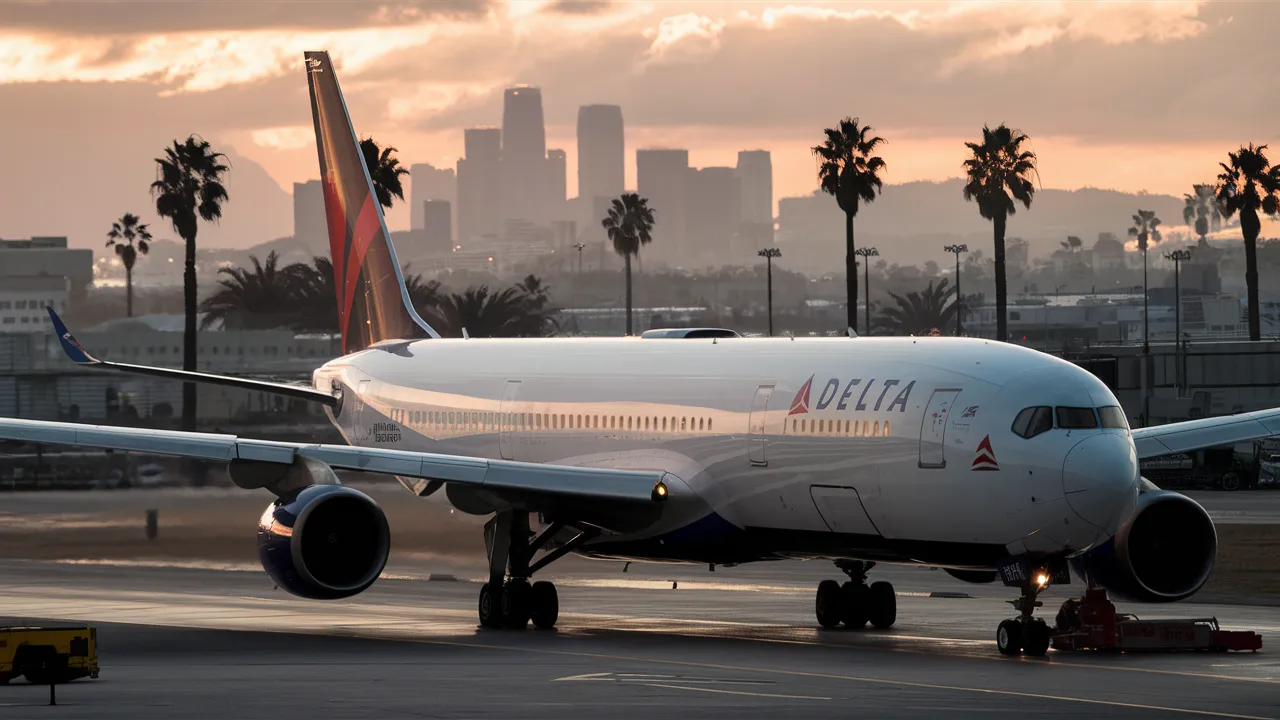
The aviation world closely watches any unscheduled change in flight paths, especially when long-haul flights are involved. One such notable event was Delta Flight DL275 diverted LAX, a major diversion that drew industry and traveler attention due to its implications on safety, technical operations, and airline responsiveness. Flight diversions occur when the original destination becomes unsafe or impractical for landing, and in the case of DL275, the aircraft was rerouted to Los Angeles International Airport (LAX) after an in-flight anomaly prompted precautionary action. In this article we explore why Delta Flight DL275 was diverted to LAX, what unfolded during the diversion, how passengers experienced the event, and what aviation procedures guide such decisions. Throughout this comprehensive examination, we also contextualize the incident within broader airline safety practices to give readers a deep, factual understanding of what happened and why it matters.
What Happened: Delta Flight DL275 and Its Diversion to LAX
Delta Flight DL275 Diverted LAX was scheduled for a long-haul journey when, several hours into its flight, the crew received alerts indicating an issue with one of the aircraft’s systems. According to aviation reports, the most likely cause of the diversion was a failure in the engine anti-ice system on one of the Rolls-Royce Trent XWB engines. The anti-ice system is crucial for preventing ice accumulation on critical engine components during high-altitude flights, particularly in cold atmospheric conditions, and its malfunction triggered standard safety protocols requiring the flight crew to divert rather than continue over remote areas where options for landing are limited.
The decision to divert is always guided by a safety-first philosophy. Airlines train pilots to balance technical warnings with environmental conditions and operational readiness. When the anti-ice system’s protective capability was compromised, the crew communicated with Delta’s operations center and air traffic control to identify the nearest suitable airport capable of safely handling the Airbus A350-900 aircraft and its maintenance needs. The logical, strategic choice was Los Angeles International Airport—a major hub equipped with long runways, comprehensive maintenance facilities, and full technical support for the aircraft type.
Why LAX Was the Destination for the Diversion
Choosing an alternate airport during a diversion requires quick, informed decision-making based on several factors, and in the case of DL275, each of these pointed to LAX:
-
Maintenance Capabilities: LAX hosts robust facilities that can service large wide-body jets like the Airbus A350, including specialists familiar with the specific engine type.
-
Runway Length and Infrastructure: With long runways and international terminal services, LAX can efficiently accommodate unscheduled landings of large aircraft without operational strain.
-
Passenger Support: As a major hub, LAX offers extensive passenger services, including rebooking desks, hotels, ground transportation, and hospitality services that are essential when flights deviate from their planned routes.
Although several airports were within reach, LAX offered the safest, most efficient, and most operationally sensible option given the severity and nature of the technical alert.
Technical Causes and Aviation Safety Protocols
The heart of what led to the diversion was technical: the aircraft’s engine anti-icing system malfunction. This system is engineered to prevent ice buildup on key engine parts during high-altitude flight where temperatures are extremely low. Ice accumulation can distort airflow and create hazardous conditions that threaten aircraft performance.
In modern aviation, sensors continuously monitor engine performance and protective systems. When they detect anomalous behavior—such as abnormal airflow, temperature inconsistencies, or system pressure irregularities—pilots follow structured safety protocols honed through stringent regulatory standards set by authorities like the Federal Aviation Administration (FAA). These protocols often require diverting to the nearest suitable airport to mitigate risk before conditions worsen.
What’s crucial to understand is that a diversion for this type of issue is preventive—not because the aircraft is on the brink of failure, but because proactive measures drastically reduce potential dangers in unpredictable environments, especially when the aircraft is flying over vast oceans or remote land areas without immediate options for landing.
Passenger Experience During and After the Diversion
Flying through a diversion can be unsettling for passengers, but the handling of such events is highly structured to protect safety and communicate clearly. In the case of Delta Flight DL275 diverted LAX, passengers were kept informed by the flight crew through announcements detailing that the diversion was a precautionary measure due to a technical system alert, not a dramatic emergency.
Once the aircraft landed at LAX, standard operational procedures kicked in. Delta staff assisted travelers with:
-
Rebooking services for missed connections.
-
Ground transportation coordination.
-
Meal vouchers and hotel accommodations where overnight delays occurred.
Reports from passengers emphasize that despite the inconvenience, the calm professionalism of the crew and transparent communication helped reduce anxiety. Emergency services were on standby at the airport, though no injuries or medical emergencies were reported from the diversion itself.
How Common Are Diversions Like DL275? Aviation Context
Flight diversions, while not everyday occurrences, are regular functional parts of aviation safety practice. They can be triggered by:
-
Technical or mechanical anomalies
-
Medical emergencies onboard
-
Severe weather conditions
-
Air traffic congestion or airspace restrictions
Long-haul flights, especially those crossing oceans or remote regions, have even stricter safety thresholds because once an aircraft is far from land, options become sparse. In that sense, diversions like DL275 represent the aviation industry’s broader commitment to preemptive problem resolution rather than risking continuation toward a distant destination.
Conclusion
The incident known as Delta Flight DL275 diverted LAX serves as a clear illustration of modern aviation safety protocols in action. When a technical concern emerged mid-flight—specifically related to a critical engine anti-ice system—Delta’s flight crew and operations team acted in accordance with established procedures to prioritize passenger and aircraft safety. Their decision to land at Los Angeles International Airport was grounded in strategic considerations of maintenance capabilities, passenger support infrastructure, and operational readiness. While such diversions are disruptive, they are essential components of an industry that treats caution and preemptive action as cornerstones of reliability. In the end, the flight landed safely, passengers were assisted comprehensively, and the aircraft received the necessary inspection and maintenance to ensure it could return to service. This incident underscores not only the complexity of flight operations but also the effectiveness of safety-first decision-making that defines commercial aviation today.
FAQ
What caused Delta Flight DL275 to be diverted to LAX?
The most reported cause was a malfunction in the aircraft’s engine anti-ice system, prompting the crew to divert as a precautionary safety measure.
Was the landing at LAX an emergency?
It was an emergency diversion, meaning a precautionary action with priority landing, rather than a severe in-flight crisis.
Were passengers safe during the diversion?
Yes; the aircraft landed safely with no reported injuries, and passengers received communication and support from the airline.
Why was Los Angeles International Airport chosen?
LAX was selected due to its maintenance facilities, runway capabilities, and comprehensive passenger handling infrastructure.
How do airlines assist passengers after a diversion?
Airlines typically provide rebooking services, meal vouchers, hotel accommodations where necessary, and ongoing support to help passengers continue their journeys.
