
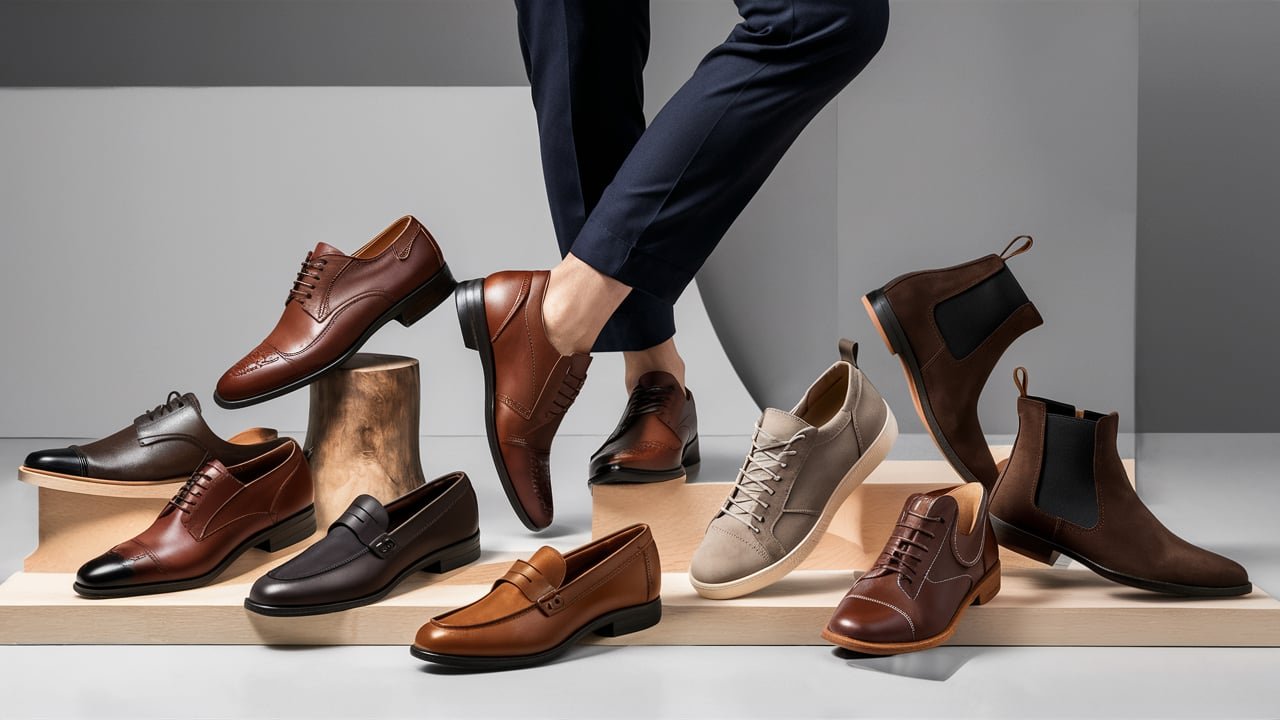
We explore the essential role of business casual shoes in today’s modern workplace, where professional appearance and personal comfort must coexist seamlessly. As office dress codes evolve away from rigid formality, business casual footwear has emerged as a critical component of professional wardrobes. These shoes bridge the gap between formal dress shoes and casual footwear, offering versatility, polish, and comfort suitable for long workdays and diverse environments.
This comprehensive guide provides a clear understanding of what defines business casual shoes, the styles available, how to choose the right pair, and why they matter in professional settings. Our goal is to deliver a detailed, authoritative resource that supports informed decisions and long-term wearability.
What Are Business Casual Shoes?
Business casual shoes are footwear styles designed to complement professional attire without the strict formality of traditional dress shoes. They maintain a clean, polished appearance while allowing for greater flexibility in materials, colors, and construction. These shoes are appropriate for offices that value professionalism but do not require formal suits or black-tie footwear.
We emphasize that business casual shoes are defined by balance. They are neither athletic nor overly ornate, instead offering refined simplicity that aligns with modern workplace expectations.
Why Business Casual Shoes Matter in the Workplace
Footwear plays a significant role in professional presentation. Business casual shoes help establish credibility while supporting comfort and productivity. In many industries, employees spend extended hours on their feet or moving between meetings, making comfort as important as appearance.
We recognize that the right pair of business casual shoes contributes to confidence, posture, and overall workplace performance, making them a practical investment rather than a purely aesthetic choice.
Popular Styles of Business Casual Shoes
Business casual shoes are available in a wide range of styles to suit different preferences and office cultures. Common styles include loafers, derby shoes, monk straps, low-profile boots, and refined flats. Each style offers a distinct balance of formality and ease.
We note that versatility is key. A well-chosen style can transition smoothly from office hours to after-work engagements without compromising professionalism.
Business Casual Shoes for Men
For men, business casual shoes often include leather or suede loafers, derby shoes, and minimalist boots. These styles pair well with chinos, tailored trousers, and smart blazers. Neutral colors such as brown, tan, navy, and oxblood are especially popular due to their adaptability.
We highlight that men’s business casual shoes should prioritize clean lines, quality materials, and understated detailing to maintain a professional appearance.
Business Casual Shoes for Women
Women’s business casual shoes offer a broader range of silhouettes, including flats, low heels, loafers, ankle boots, and refined sneakers designed for office wear. Comfort-focused features such as cushioned insoles and flexible soles are increasingly common.
We emphasize that women’s business casual footwear balances elegance with practicality, supporting long workdays while complementing professional outfits.
Materials and Construction
Material quality significantly affects the durability and appearance of business casual shoes. Leather and suede remain the most popular choices due to their refined look and long lifespan. High-quality synthetic materials are also widely used, offering affordability and ease of maintenance.
We stress that proper construction, including reinforced stitching and supportive soles, ensures comfort and longevity, making material choice a key consideration.
Comfort Features to Look For
Comfort is a defining feature of effective business casual shoes. Cushioned footbags, arch support, breathable linings, and flexible outsoles contribute to all-day wearability. Modern designs increasingly incorporate ergonomic elements without sacrificing style.
We observe that comfort-focused footwear enhances productivity by reducing fatigue and discomfort during extended work hours.
How to Choose the Right Business Casual Shoes
Selecting the right business casual shoes requires considering workplace culture, personal style, and daily activities. Shoes should align with office expectations while reflecting individual taste. Fit is equally important, as poorly fitting shoes undermine both comfort and appearance.
We recommend prioritizing versatility, ensuring that a single pair can complement multiple outfits and occasions.
Styling Business Casual Shoes
Styling business casual shoes involves coordinating colors, fabrics, and proportions. Neutral shoes pair easily with most outfits, while subtle textures add visual interest. Maintaining clean, well-polished footwear reinforces professionalism and attention to detail.
We emphasize that consistent styling enhances overall presentation and reinforces a cohesive professional image.
Maintenance and Longevity
Proper care extends the life of business casual shoes. Regular cleaning, conditioning, and appropriate storage preserve appearance and structure. Rotating between pairs also reduces wear and improves durability.
We view maintenance as an essential part of maximizing value and sustaining a polished look.
Conclusion
We conclude that business casual shoes are an indispensable element of modern professional attire. By combining style, comfort, and versatility, they meet the demands of contemporary workplaces while supporting personal expression. Choosing the right pair involves understanding office expectations, prioritizing quality materials, and valuing comfort-driven design.
This guide provides a comprehensive foundation for selecting and styling business casual shoes that enhance confidence, professionalism, and everyday performance.
Frequently Asked Questions (FAQ)
What defines business casual shoes?
They are professional yet relaxed footwear styles suitable for modern office environments.
Are sneakers considered business casual shoes?
Only minimalist, refined sneakers may qualify, depending on workplace culture.
Can business casual shoes be worn with jeans?
Yes, when paired with clean, tailored jeans and a polished top.
What colors work best for business casual shoes?
Neutral shades like brown, black, tan, navy, and beige offer maximum versatility.
How many pairs of business casual shoes should I own?
Owning at least two pairs allows rotation, improving comfort and durability.
