
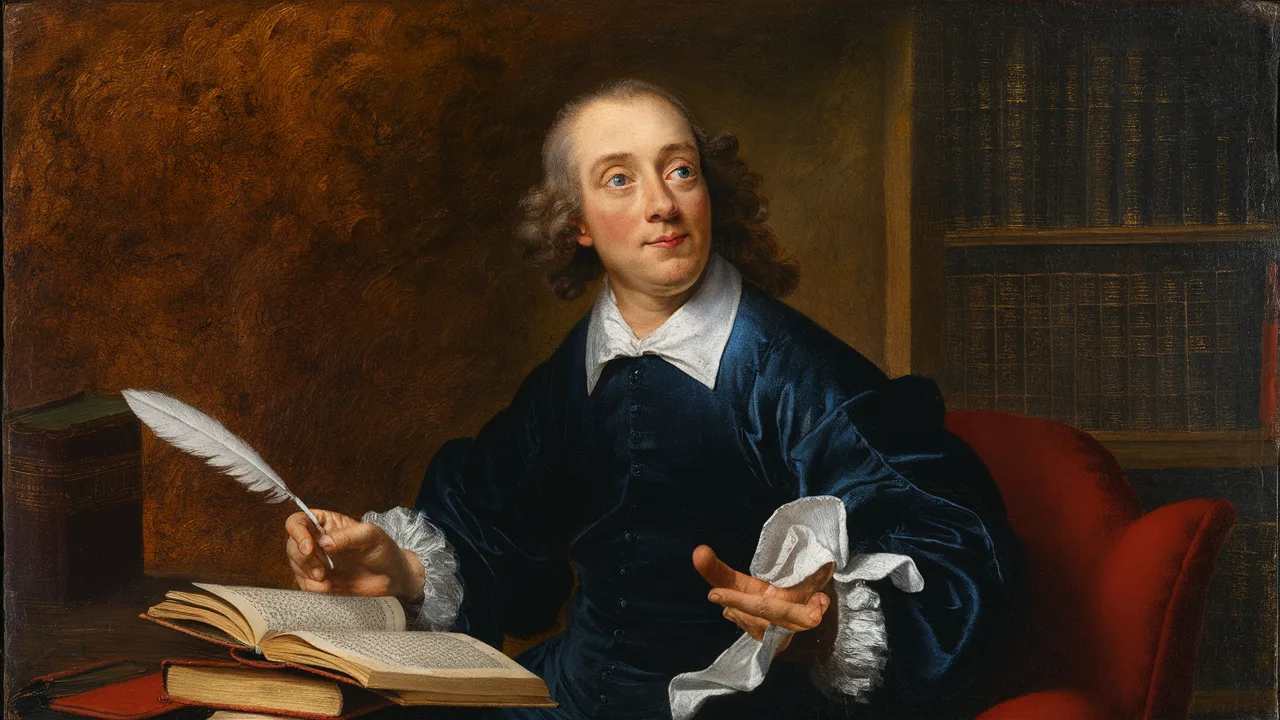
The name Milton carries a depth of history, meaning, and cultural relevance that continues to resonate in modern times. Whether recognized as a personal name, a historic place, or a symbol of literary achievement, Milton stands as a powerful term connected to heritage, identity, and transformation. We explore the origins, evolution, and significance of Milton to understand how it has maintained relevance across generations. Through its linguistic roots, historical presence, and cultural associations, Milton remains a name that commands recognition and respect.
In examining Milton, we uncover a narrative that blends tradition with progress. The enduring strength of the name lies in its adaptability and timeless character, allowing it to remain meaningful in diverse contexts around the world.
The Meaning and Origins of Milton
The name Milton originates from Old English roots, derived from the words “middel” meaning middle and “tun” meaning settlement or town. Historically, it referred to a “middle town” or settlement located between larger communities. This geographical origin reflects the practical naming traditions of early English societies, where places were identified based on their physical location or function.
As a surname and given name, Milton gained prominence through centuries of cultural and literary development. It became associated with intelligence, refinement, and distinction, especially due to its connection with influential figures in history. The simplicity of its structure combined with its strong phonetic presence contributed to its widespread adoption.
Over time, Milton evolved beyond its literal meaning. It began to symbolize heritage, resilience, and intellectual depth. This transformation highlights the way names grow in significance as they become intertwined with human achievement and societal progress.
Milton in Literary and Historical Context
One of the most significant associations with the name Milton is its connection to John Milton, the renowned English poet and author of Paradise Lost. His contributions to literature elevated the name to global recognition and intellectual prestige. Through his works, Milton became synonymous with creative genius, philosophical depth, and poetic mastery.
The literary legacy attached to the name reinforced its standing as a symbol of cultural refinement. In academic circles, Milton is often referenced as a representation of classical education and literary excellence. This association strengthened the name’s reputation and expanded its influence across different regions and cultures.
Beyond literature, Milton has appeared in historical records as the name of towns, cities, and communities across various countries. Each location carries its own identity, yet shares a connection to the broader historical roots of the name. These places often reflect a blend of tradition and modernization, embodying the balance between past and present.
Milton as a Place: Community and Development
Across the world, several towns and cities bear the name Milton. These communities often represent growth, development, and strong local identity. The name evokes images of structured neighborhoods, educational institutions, and thriving economies.
In many regions, Milton is associated with suburban expansion and economic opportunity. These areas frequently combine residential comfort with commercial vitality, offering a balanced lifestyle. The repeated use of the name for towns and municipalities underscores its traditional appeal and strong linguistic character.
Communities named Milton typically reflect values such as unity, heritage preservation, and progressive development. They often invest in education, infrastructure, and public spaces, creating environments that support long-term growth. The name itself becomes part of the local identity, symbolizing stability and continuity.
The Cultural Impact of the Name Milton
The name Milton extends beyond geography and literature into broader cultural recognition. It has appeared in films, businesses, academic institutions, and brand identities. Its classic sound and historical weight give it authority and trustworthiness.
In personal naming trends, Milton conveys sophistication and maturity. It is often chosen by families seeking a traditional yet distinguished name. Its enduring usage demonstrates how certain names maintain relevance across changing social landscapes.
Culturally, Milton represents balance. It bridges the old and the new, maintaining historical dignity while adapting to contemporary settings. This duality contributes to its lasting appeal and continued presence in modern discourse.
Modern Relevance and Continued Popularity
In contemporary contexts, Milton remains a name that signifies credibility and depth. Businesses and organizations that incorporate the name often aim to project professionalism and reliability. Educational institutions bearing the name frequently emphasize academic excellence and tradition.
The digital era has further extended Milton’s visibility. Online searches, media references, and global communication ensure that the name continues to circulate widely. Its adaptability allows it to fit seamlessly into modern branding while retaining its historical character.
This sustained relevance demonstrates that Milton is more than a name; it is a representation of enduring identity. Its ability to evolve while preserving its essence ensures that it remains meaningful in today’s fast-changing world.
Why Milton Continues to Stand Out
Milton stands out due to its strong linguistic structure, historical roots, and cultural associations. Unlike fleeting trends, it carries a timeless quality that resonates across generations. Its connection to intellectual achievement and community identity strengthens its standing in both personal and professional contexts.
We recognize that names and places hold power through the stories attached to them. Milton’s narrative includes literary brilliance, geographic heritage, and social development. This combination creates a multifaceted identity that remains compelling.
Its continued presence in modern naming conventions, city development, and cultural references confirms its resilience. The strength of Milton lies in its ability to remain relevant without losing its original character.
Conclusion
Milton represents a blend of history, culture, and modern significance that few names achieve. From its Old English origins meaning “middle town” to its association with literary excellence and thriving communities, Milton embodies stability, growth, and intellectual heritage. We see how its adaptability has allowed it to transcend time and geography, maintaining relevance in diverse contexts.
The enduring appeal of Milton lies in its balance between tradition and progress. It reflects strength, refinement, and continuity. As we examine its journey from historical roots to contemporary recognition, we understand why Milton continues to stand out as a name of substance and significance.
FAQ About Milton
Q1: What does the name Milton mean?
Milton originates from Old English, meaning “middle town” or settlement located between larger areas.
Q2: Why is Milton historically important?
Milton gained historical importance through literary associations, particularly with John Milton, whose works influenced English literature profoundly.
Q3: Is Milton a common place name?
Yes, many towns and cities around the world are named Milton, reflecting its traditional and widely accepted usage.
Q4: Why is the name Milton still popular today?
Milton remains popular because of its strong historical roots, refined sound, and association with intellectual and cultural significance.
Q5: Does Milton have cultural influence beyond literature?
Yes, Milton appears in business names, educational institutions, and various cultural references, maintaining relevance in modern society.
