
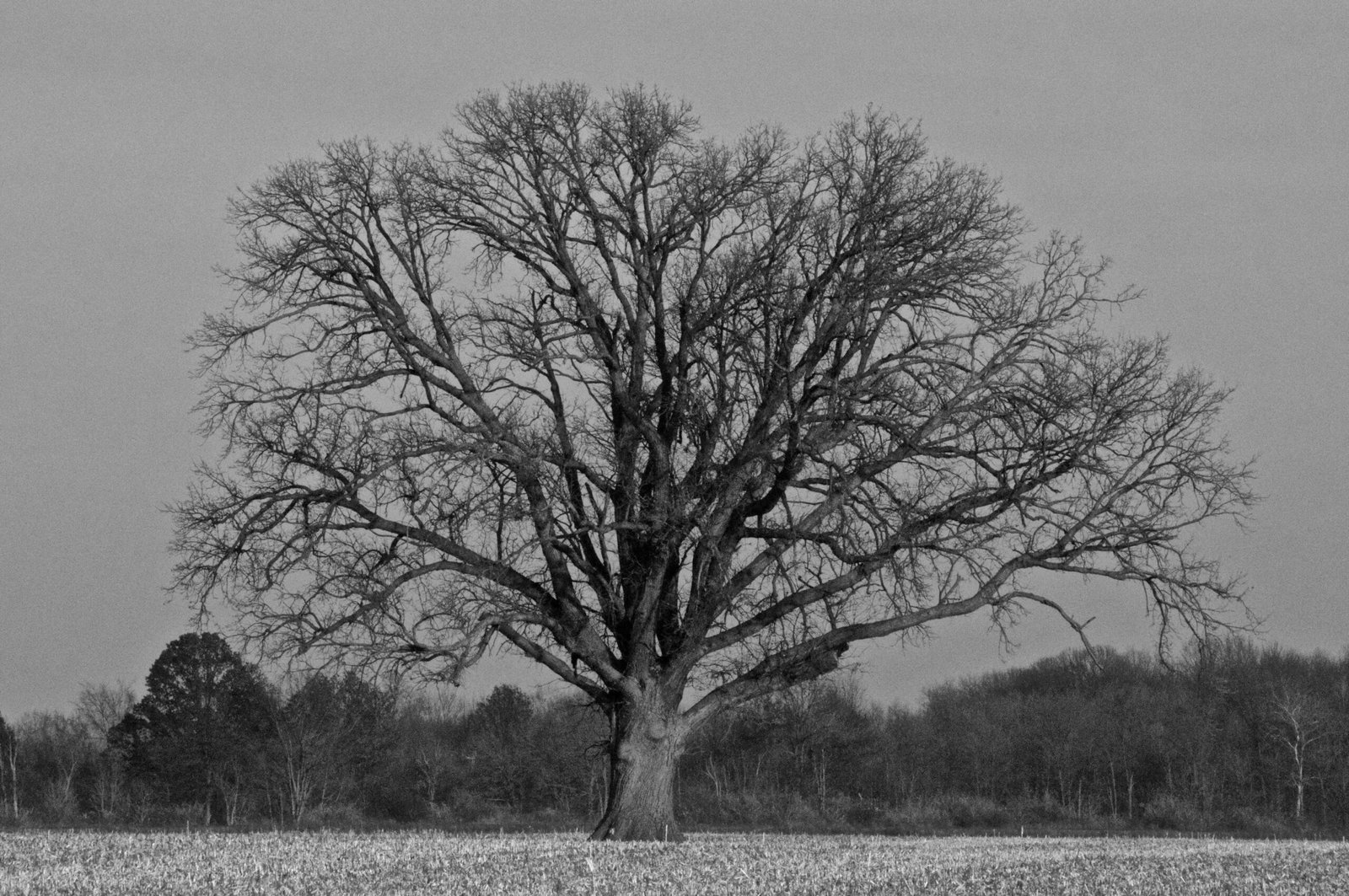
The keyword “Lewis Center Ohio champion trees” reflects a growing interest in discovering, preserving, and celebrating the largest and most remarkable trees in the Lewis Center region of Ohio. Champion trees are not just ordinary trees; they represent extraordinary specimens in terms of height, trunk circumference, and historical significance. For locals, environmental enthusiasts, and visitors, these trees are living monuments that tell the story of the area’s natural heritage.
This article explores Lewis Center champion trees, their significance, locations, conservation efforts, and the benefits they provide to the community and the environment. We will provide detailed insights, practical information for visitors, and context about the broader importance of champion trees in Ohio.
What Are Champion Trees?
Champion trees are officially recognized trees that are the largest of their species in a given region or state. The criteria for champion status typically include:
-
Trunk circumference measured at 4.5 feet above ground
-
Height from base to top of the tree
-
Average crown spread, which reflects how broad and expansive the tree’s canopy is
In Ohio, the Ohio Department of Natural Resources (ODNR) maintains a State Champion Tree Program, which tracks and updates a registry of these impressive natural specimens. Lewis Center Ohio Champion Trees, a community within Delaware County, is home to several trees that have earned champion status, representing both native and ornamental species.
Notable Champion Trees in Lewis Center, Ohio
Lewis Center and the surrounding Delaware County are home to a variety of champion trees. While the full registry includes multiple species, some notable examples include:
-
Eastern White Pine (Pinus strobus): Known for its towering height and broad canopy, often found in preserved parks and older estates.
-
American Sycamore (Platanus occidentalis): Recognized for massive trunk girth and historical significance in the community.
-
Red Maple (Acer rubrum): Admired for its vibrant autumn colors and impressive size.
-
Sugar Maple (Acer saccharum): Both aesthetically and ecologically important, providing sap for local maple syrup production.
These trees are often located in public parks, school campuses, and conservation areas, offering residents and visitors the chance to see these natural giants up close.
Significance of Champion Trees
Champion trees carry ecological, educational, and cultural importance.
Ecological Benefits:
-
Act as carbon sinks, helping mitigate climate change
-
Provide habitat for birds, insects, and small mammals
-
Support biodiversity in urban and rural landscapes
Educational Value:
-
Serve as living classrooms for students studying botany, ecology, or environmental science
-
Offer hands-on learning about native species, tree growth, and forest ecosystems
Cultural Importance:
-
Some trees have stood for centuries, witnessing the evolution of the local community
-
Act as landmarks and symbols of natural heritage
By protecting these trees, communities like Lewis Center honor both environmental and historical values.
Conservation and Protection Efforts
In Lewis Center, champion trees are safeguarded through a combination of local ordinances, state programs, and community initiatives:
-
Ohio Champion Tree Program: Maintains a registry of recognized trees, encouraging public awareness
-
Local Conservation Groups: Engage in monitoring, pruning, and educational campaigns
-
Tree Planting Initiatives: Encourage residents to plant native species and maintain healthy urban forests
These conservation efforts ensure that champion trees are not only preserved for future generations but also inspire broader environmental stewardship.
Visiting Champion Trees in Lewis Center
For those interested in exploring Lewis Center’s champion trees:
-
Check Local Parks and Green Spaces: Many champion trees are located in public areas accessible year-round
-
Plan Educational Walks: Schools and community groups often host guided tours of heritage trees
-
Photography and Documentation: Champion trees make excellent subjects for environmental photography and community awareness campaigns
When visiting, it is important to respect tree preservation guidelines, avoid damaging roots or bark, and follow posted rules in parks and private lands.
Why Champion Trees Matter to the Community
Champion trees provide multiple benefits beyond their ecological contributions:
-
Enhance Property Values: Mature, healthy trees improve neighborhood aesthetics
-
Promote Tourism: Nature enthusiasts often seek out notable trees, contributing to local economy
-
Foster Community Identity: Trees become symbols of local pride, tying residents to the history and landscape of Lewis Center
-
Encourage Environmental Advocacy: Observing champion trees inspires interest in planting, protecting, and maintaining local flora
In this way, champion trees serve both natural and social functions, connecting people with nature and history.
Tree Measurement and Recognition
Champion trees are officially recognized through a point system developed by the American Forests organization and adopted by Ohio’s state programs. The formula considers:
-
Trunk circumference (in inches)
-
Height (in feet)
-
Crown spread (in feet)
A single tree earns a point score, which is compared against others of the same species statewide. Those with the highest score are designated as state champion trees, while regional or county champions are recognized locally. This system helps maintain objectivity and transparency in the recognition process.
Challenges to Champion Tree Preservation
Despite conservation efforts, Lewis Center’s champion trees face challenges:
-
Urban Development: Construction and land use changes can threaten root systems
-
Pests and Diseases: Trees are susceptible to invasive insects, fungal infections, and disease
-
Climate Change: Extreme weather events, droughts, and storms can damage trees
-
Human Activity: Soil compaction, vandalism, or over-visitation can harm mature trees
Awareness campaigns and active monitoring are essential to overcoming these challenges and protecting these natural landmarks.
Conclusion
The Lewis Center Ohio champion trees are far more than impressive botanical specimens; they are vital elements of the community’s ecological, cultural, and educational landscape. From their towering heights to massive trunks, these trees stand as living witnesses to history and symbols of environmental stewardship. By recognizing their importance, conserving them, and encouraging responsible interaction, Lewis Center ensures that these natural giants continue to thrive for generations.
Champion trees are a reminder of the value of heritage, preservation, and community pride, inspiring residents, visitors, and future conservationists alike.
Frequently Asked Questions (FAQ)
What is a champion tree?
A champion tree is the largest known individual of a particular species within a region or state, measured by height, trunk circumference, and crown spread.
Where can I see champion trees in Lewis Center, Ohio?
Champion trees are often located in public parks, conservation areas, and select private lands accessible for educational purposes.
How are trees recognized as champions?
Trees are measured using a standardized point system based on trunk circumference, height, and crown spread, and compared to other trees of the same species.
Why are champion trees important?
They provide ecological, cultural, and educational benefits, serving as landmarks, habitats, and symbols of natural heritage.
How can I help protect champion trees?
You can support local conservation efforts, avoid damaging tree roots or bark, plant native species, and participate in community awareness programs.
